
Subscription app development
A subscription app depends on billing details. A renewal fails quietly, a user who paid on an iPhone hits the paywall on Android, a refund never reaches the app. We build subscription apps where the stores report each payment and your backend decides who has access, on iOS, Android, the web and Telegram. Abuk, an ebook and audiobook service with billing in both stores, has been with us since 2018.
When this page is for you
Teams come to us with subscriptions at two points: before the first paid release, and when billing in a live app starts to cost them users.
- You are launching a paid app and want subscriptions in the first release
- Users pay on one platform and cannot get access on another
- A failed renewal locks users out, or a refunded user keeps access
- You sell a subscription and single purchases side by side
- You plan a free trial or promotional prices and want to see who converts
- You want web or Telegram payments next to the App Store and Google Play
What we build
Store billing in the apps
StoreKit on iOS and Google Play Billing on Android: paywalls, purchase, restore and plan changes, built to each store’s rules.
Server-side verification
The app sends each purchase to your backend, and the backend checks it with Apple or Google before it grants access. A check on the device alone is easy to tamper with and never sees a refund.
Store notifications
App Store Server Notifications and Google Play real-time developer notifications tell your backend about renewals, failed payments, cancellations and refunds that happen outside the app.
One account everywhere
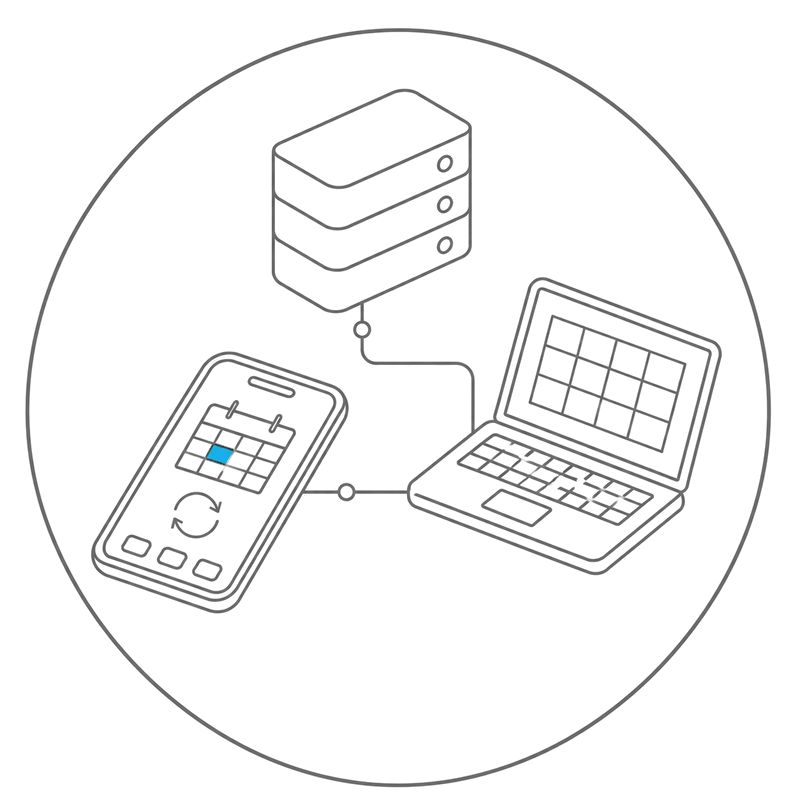
Access belongs to the user’s account, not to a device. One subscription then works in the iOS and Android apps, a web app and a Telegram Mini App.
Trials and offers
Free trials and promotional prices set up in App Store Connect and Google Play Console. The backend records which offer applied, so your analytics can tell trial users from paying ones.
Reconciliation and admin
Plans kept in line between your admin panel and both store consoles, and we recommend a regular check of your records against what the stores report.

Abuk: a subscription and single purchases in both stores
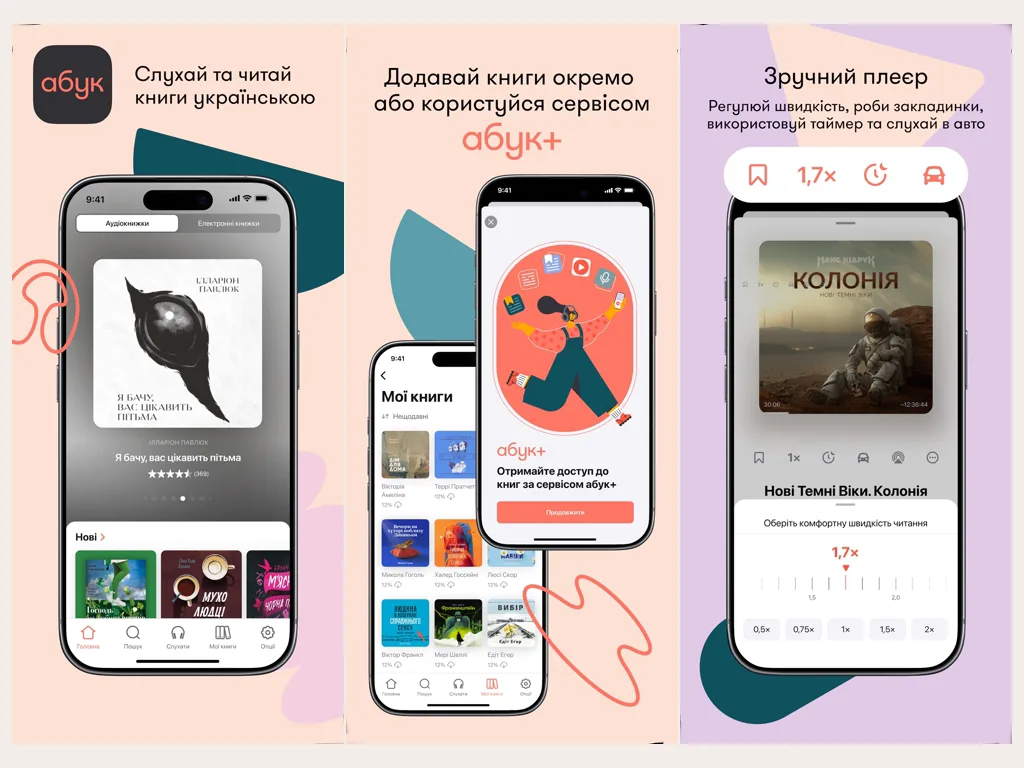
Abuk is an ebook and audiobook service on iOS, Android and the web. It sells the abuk+ subscription next to single book purchases, with billing in the App Store and Google Play. We took the project over from a previous contractor in poor condition and have been its tech lead since 2018. On Android we rebuilt the Google Play subscriptions. Access follows the subscription state in the store, including grace periods and cancellations, and plans are reconciled between the admin panel, Google Play and the App Store.
- The abuk+ subscription and single book purchases in both stores
- Access follows the store state, including grace periods and cancellations
- Promotional prices automated, promo codes and free copies handed out by link
- Users grew from about 50,000 to almost 600,000

One account and one subscription on every platform
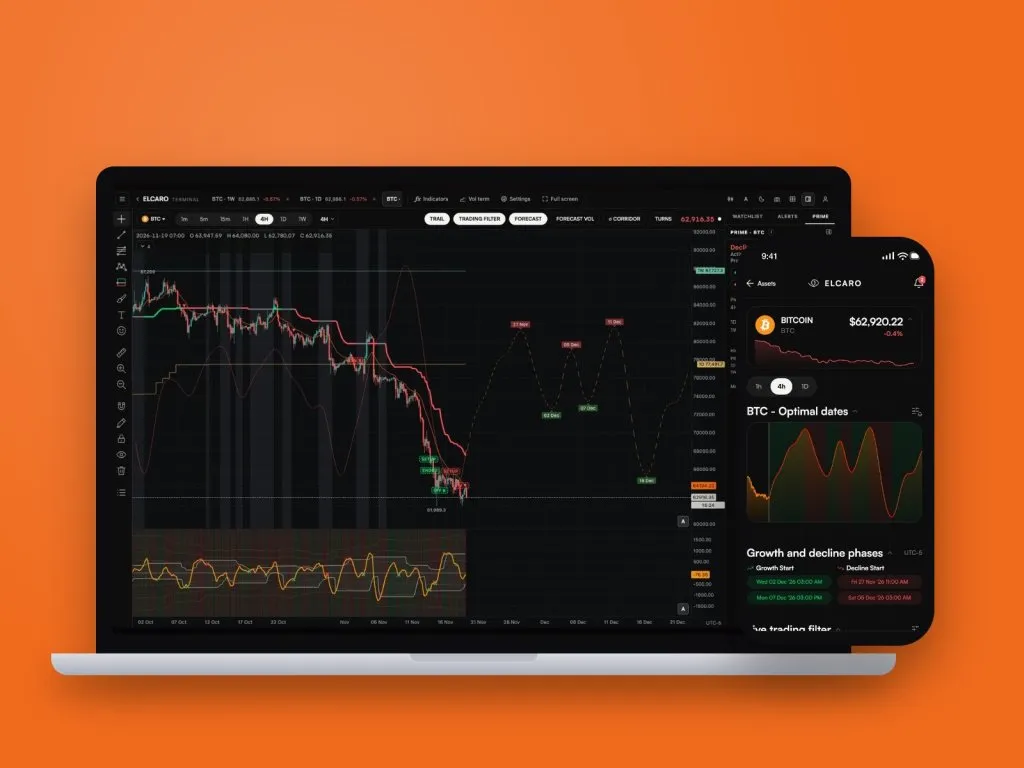
ELCARO is a forecast app for traders. The owner wanted a trader to sign up once, pay in one place and get forecasts wherever they are. The same account and subscription now work in the web app, a Telegram Mini App and the mobile apps. We designed and built the product in-house and run its releases: 137 releases in 15 months, with more than 10,000 registered users. This works because access lives on the server, so each channel is one more source of payment and every client reads the same record. For Stellium, a music and video streaming app we built for listeners, artists and advertisers, we built personal and family subscriptions.
- One account and one subscription for the web app, Telegram Mini App and mobile apps
- 10,000+ registered users and 137 releases in 15 months on ELCARO
- Personal and family plans built for Stellium
- A rule agreed in advance for users who pay through two channels
Trials, grace periods and failed payments
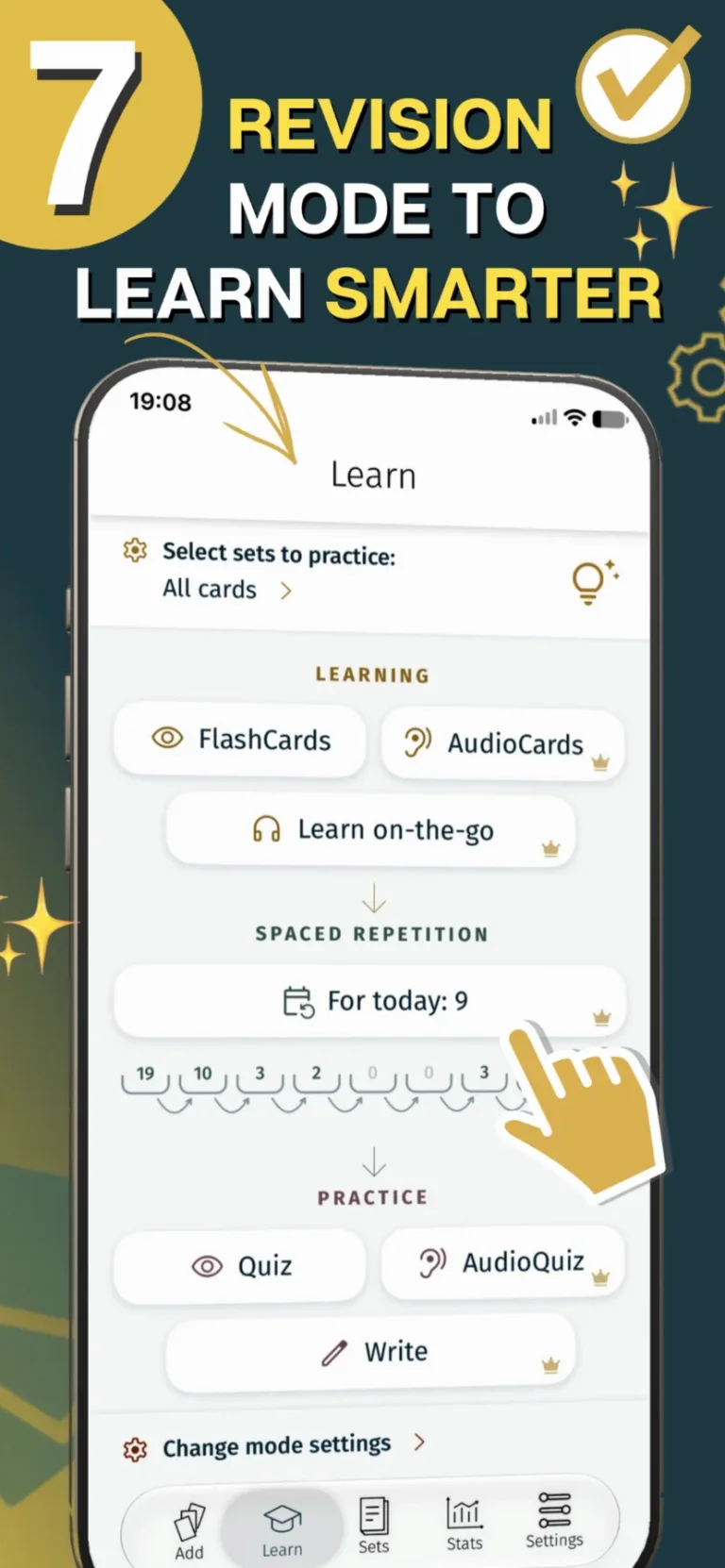
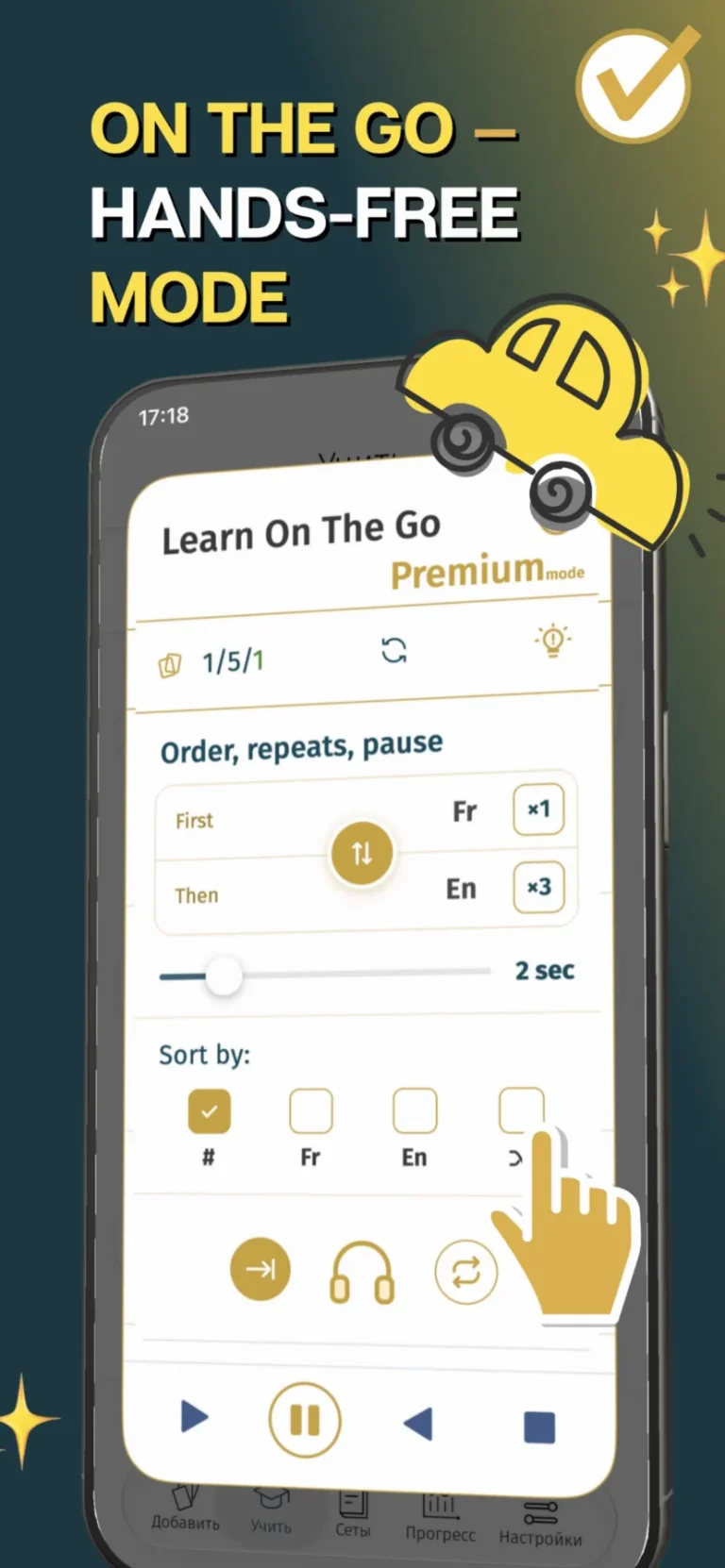
MemoWord, a vocabulary app on iOS and Android that we have supported since 2019, added a subscription trial and an onboarding A/B test. Its billing kept working while we moved the backend from .NET Framework to .NET 8 on Linux in 16 days, because the API the apps use stayed byte-compatible. On any subscription product we plan the unhappy paths early: a renewal that fails, a grace period, a cancellation with paid days left, a refund. A user who turns off auto-renew keeps access until the paid period ends. A user in a grace period keeps access while the store retries the charge.
- A subscription trial and an onboarding A/B test on MemoWord
- Billing that kept working through a full backend move
- Clear access rules for grace, billing retry, cancellation and refund
- Sandbox tests of renewals and failed payments before each billing release
How we build subscriptions
Billing plan
We agree the plans, the trial and offer rules, the platforms and what happens when one user pays twice. We recommend writing the billing rules down before development starts.
Store setup
Products, base plans and offers in App Store Connect and Google Play Console, plus sandbox accounts and license testers for the team.
Backend and access
One access record per user, server-side verification and endpoints for both stores’ notifications. The apps read access from it and cache the answer for offline use.
Apps and paywalls
Purchase, restore and plan changes in the iOS and Android apps, and a web or Telegram channel on the same account if you need one.
Testing every state
Renewal, failed payment, grace, recovery, cancellation and refund, walked through in the stores’ test environments before release.
Release and after
Release through both store reviews, the reconciliation check switched on, then support or further development in the format you choose.
Stack on our subscription projects
iOS
- Swift
- StoreKit
Android
- Kotlin
- Google Play Billing
Cross-platform, web and Telegram
- React Native, Expo
- TypeScript
- Telegram Mini App
Backend and payments
- Ruby on Rails, .NET, Hono, tRPC
- PostgreSQL, Redis
- Stripe
- AWS, Docker, GitLab CI
How we work together
Fixed scope
A new subscription app or a defined billing feature, with scope, estimate and timeline agreed in writing before development.
Dedicated team
Engineers on your product month after month, from one month, for products where billing keeps changing with the business.
Audit of a live app
For an app that already sells subscriptions: a code audit of one to two weeks with a fixed scope, covering billing, store rules and the backend, then a plan of fixes.
Read the technical side
Our article “One backend for App Store and Google Play subscriptions” in the blog walks through the access table, Apple and Google server notifications and one state map for both stores. If the subscription is part of a media, music or learning product, the industry page covers the rest of the product. For a live app that needs an owner, see mobile app support.
Related projects
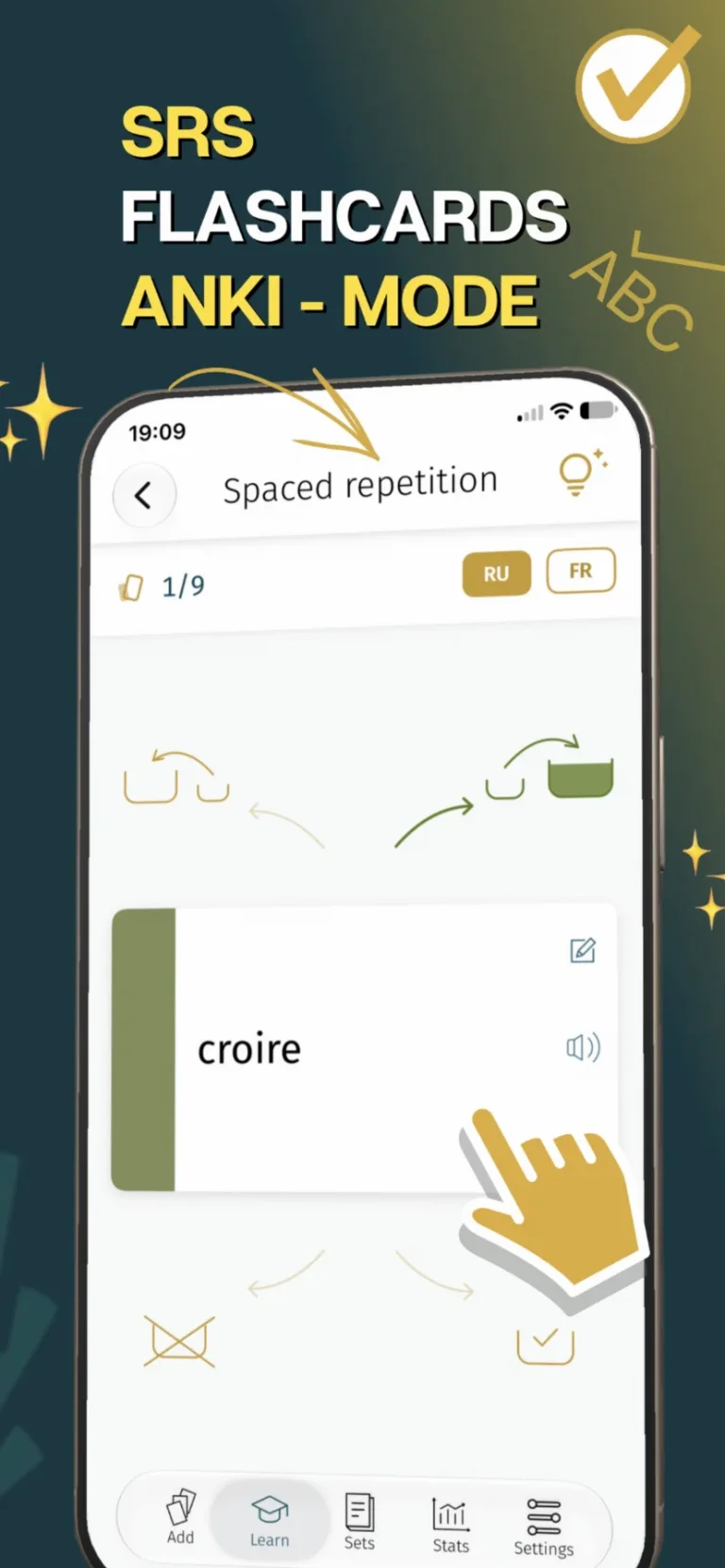
Abuk
Users grew from about 50,000 to almost 600,000
iOS · Android · Web · Backend
MemoWord
Backend moved to .NET 8 in 16 days while the apps kept working
iOS · Android
ELCARO app
Forecast app for traders: one account and one subscription on the web, in Telegram and in the mobile apps.
Web · Telegram Mini App · Android · iOS
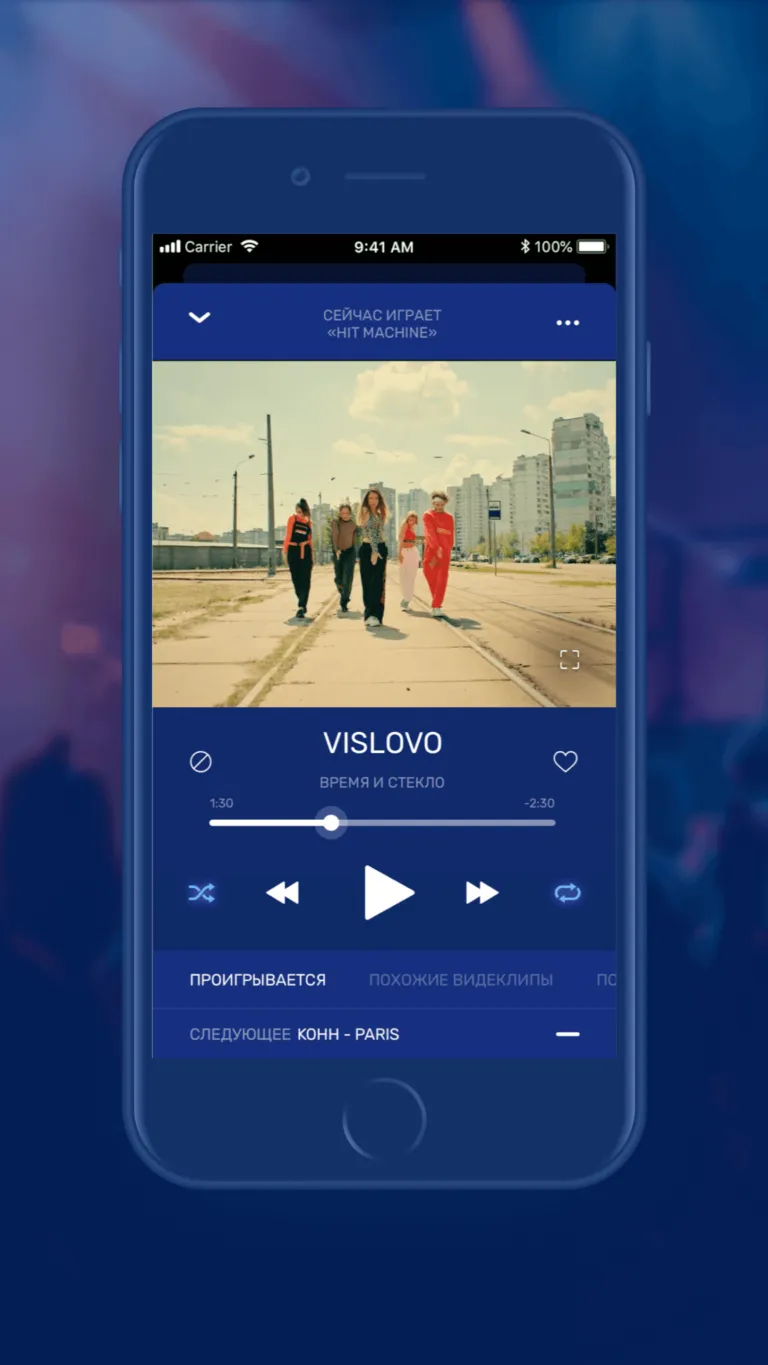
Stellium Music App
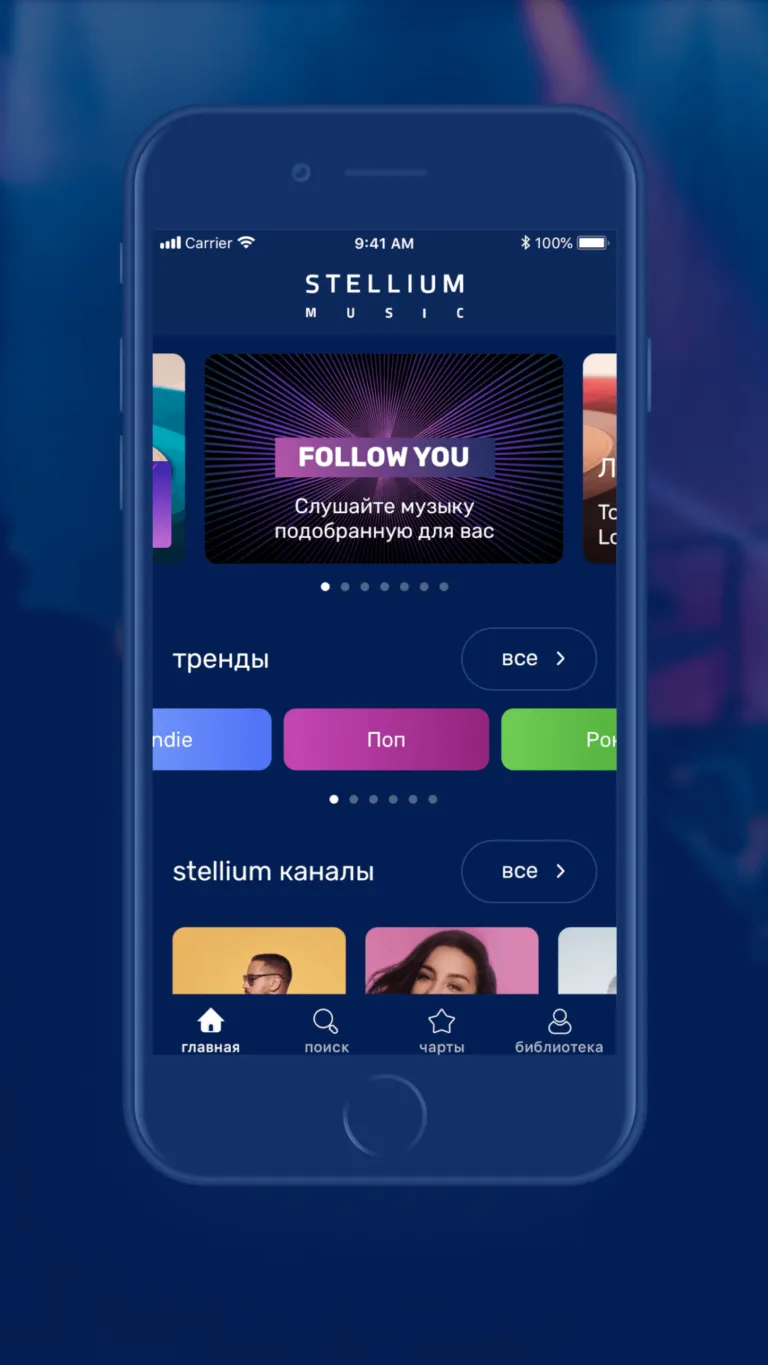
Audio and video streaming connected to a studio radio rotator
iOS · Android · Web · Backend
Reviews
We treat each client and their project with care.

Revol team continues to streamline the client’s development capabilities through their high-quality work and reliable support. They communicate effectively and exhibit a strong understanding of the client’s needs and business.
Tomas


The work from Revol, have fully met expectations and satisfied the client. Their fresh approach and ability to remain available for support have been valuable assets. Customers can bring them on for a communicative, client-oriented team to achieve their goals with.
Andrey
Frequently asked questions
Can a user who subscribed on an iPhone use the Android app or the web?
Yes, if your backend links the purchase to the user's account and every app reads access from it. Apple and Google do not share purchases with each other, so that link has to live on your server. ELCARO works this way across the web app, a Telegram Mini App and the mobile apps.
Is checking the purchase on the device enough?
No. A device-only check is easy to tamper with, and it cannot see events that happen outside the app, such as a refund or a failed renewal. We verify transactions on the server and listen to App Store Server Notifications and Google Play real-time developer notifications.
What happens when a renewal fails?
If you turn on a grace period, the user keeps access while the store retries the payment. On Apple the billing grace period is an option in App Store Connect. On Google Play the grace period and account hold are set per base plan. When the retries fail, access stops.
Can we take web payments next to the App Store and Google Play?
Technically yes: the web becomes one more payment source on the same account. Store rules on mentioning other payment options inside an app differ by region and change over time, so we check the current App Store Review Guidelines and Google Play policy before designing the paywall. Your server also cannot cancel an Apple subscription for the user, so the web account page sends App Store subscribers to Apple's settings.
Can a Telegram Mini App sell the same subscription?
It can share the same account. Telegram's rules require payments for digital goods and services in bots and Mini Apps to be made in Telegram Stars, so the backend treats Stars as one more payment source linked to that account. We plan which source wins if a user pays in two places.
Do we need a third-party subscription service?
Not always. Hosted subscription platforms cover much of this for a fee or a share of revenue. Running it in your own backend means more code, and in return the data and the rules stay with you. For a product that already has its own backend and accounts, we usually recommend the in-house option and explain why for your case.
Can you add subscriptions to an app another team built?
Yes. We start with a code audit of one to two weeks with a fixed scope, which covers billing, store rules, the backend and how releases are built. You get a report with the risks and a plan of fixes before any billing code changes.
Tell us about your project
Describe the task in a few lines. Within one working day we reply with questions or a first view on scope and cost.
Prefer email or a call?
welcome@revolsource.com
+38 097 662 23 20
Revol Software OÜ, Tallinn, Estonia. Our team is distributed around the world.
Join our team
Send your CV to career@revolsource.com