

Media, music and e-learning app development

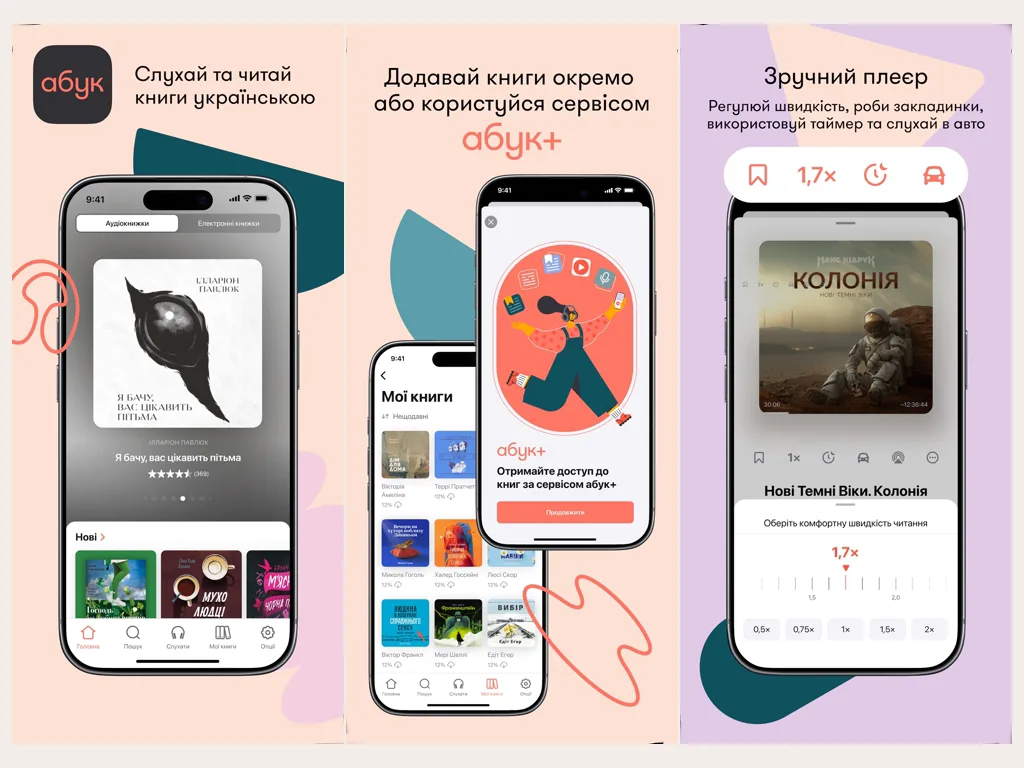
Apps where people pay to listen, watch or learn: audiobooks, music, video and language courses on iOS, Android and the web. We build them and keep them running for years, together with the subscriptions, the catalogue and a backend that holds up as your audience grows. Abuk has been with us since 2018, MemoWord since 2019.

Ask AI about Revol Source:ChatGPTClaudePerplexity
Media, music and e-learning app development

When this fits

Content apps earn through renewals and lose users through slow screens and broken purchases. If one of these sounds familiar, we have dealt with it on a live product.

What we build for content apps

Subscriptions and purchases

StoreKit on iOS, Google Play Billing on Android, receipts checked on the server, single purchases next to a subscription. We update billing libraries before the store deadlines, so renewals keep coming in.

Catalogue and home feed

Catalogue, search, collections and a home feed that stays fast as titles pile up. On Abuk we moved the home feed into a shared Redis cache and kept prices out of it.

Players and readers

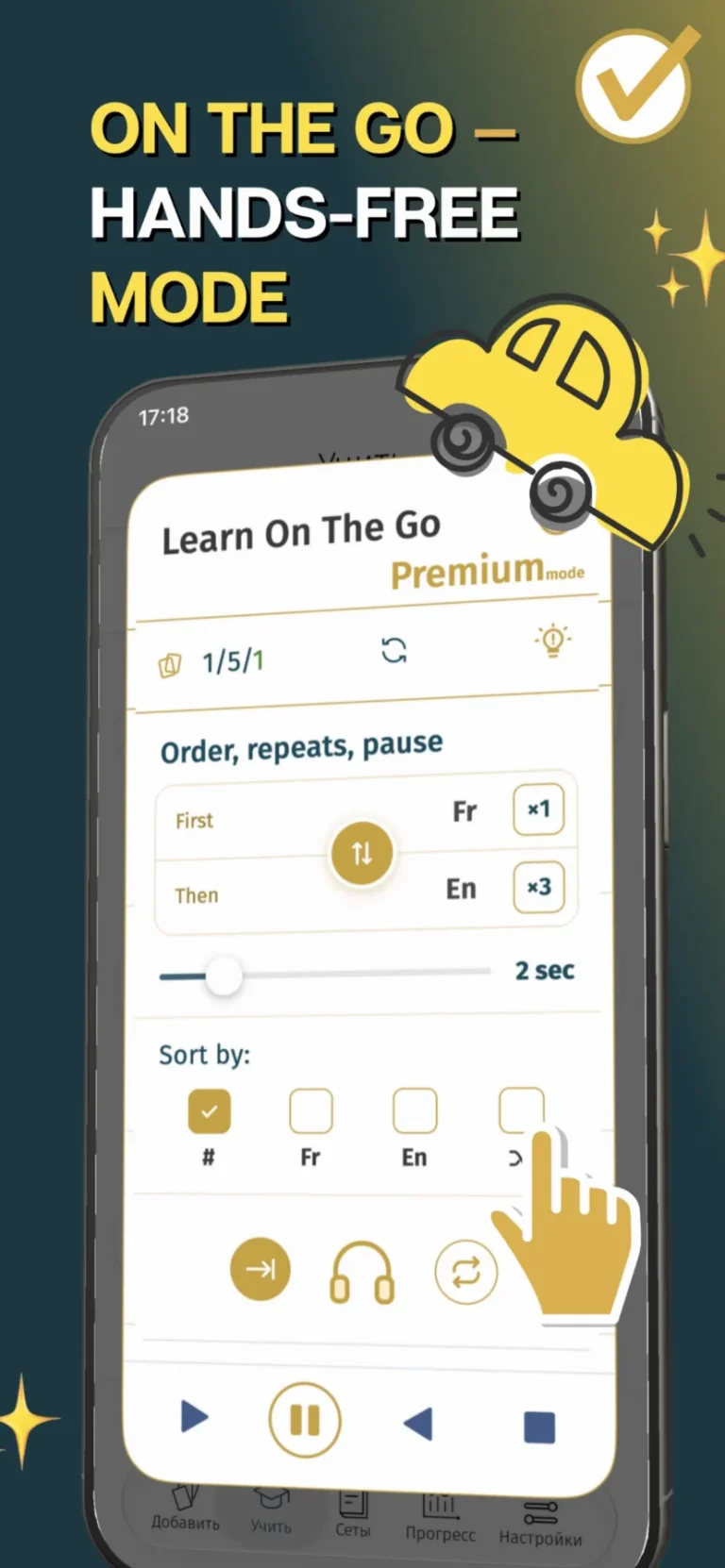
An audio player with speed control, a reader with its own settings, and offline listening and reading for people on the move.

Learning features

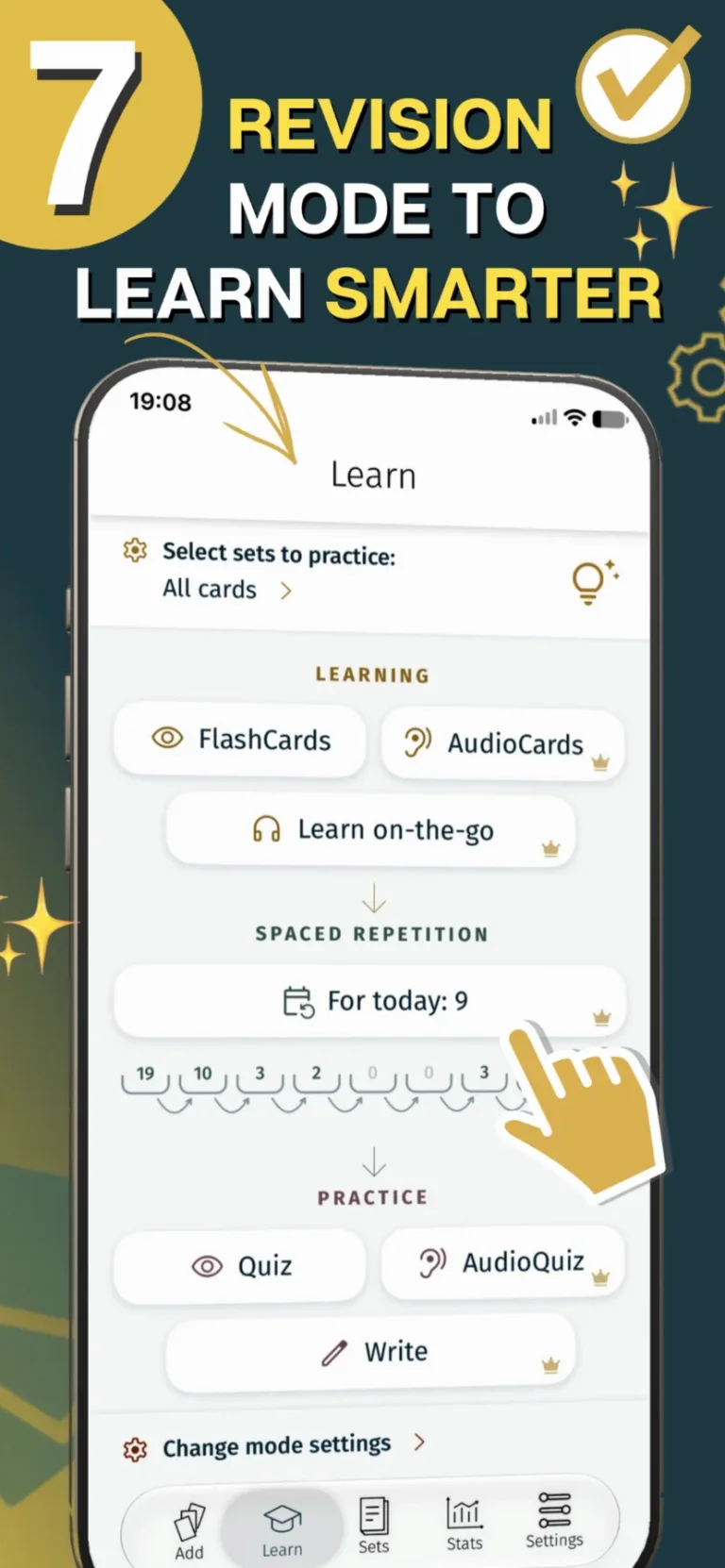
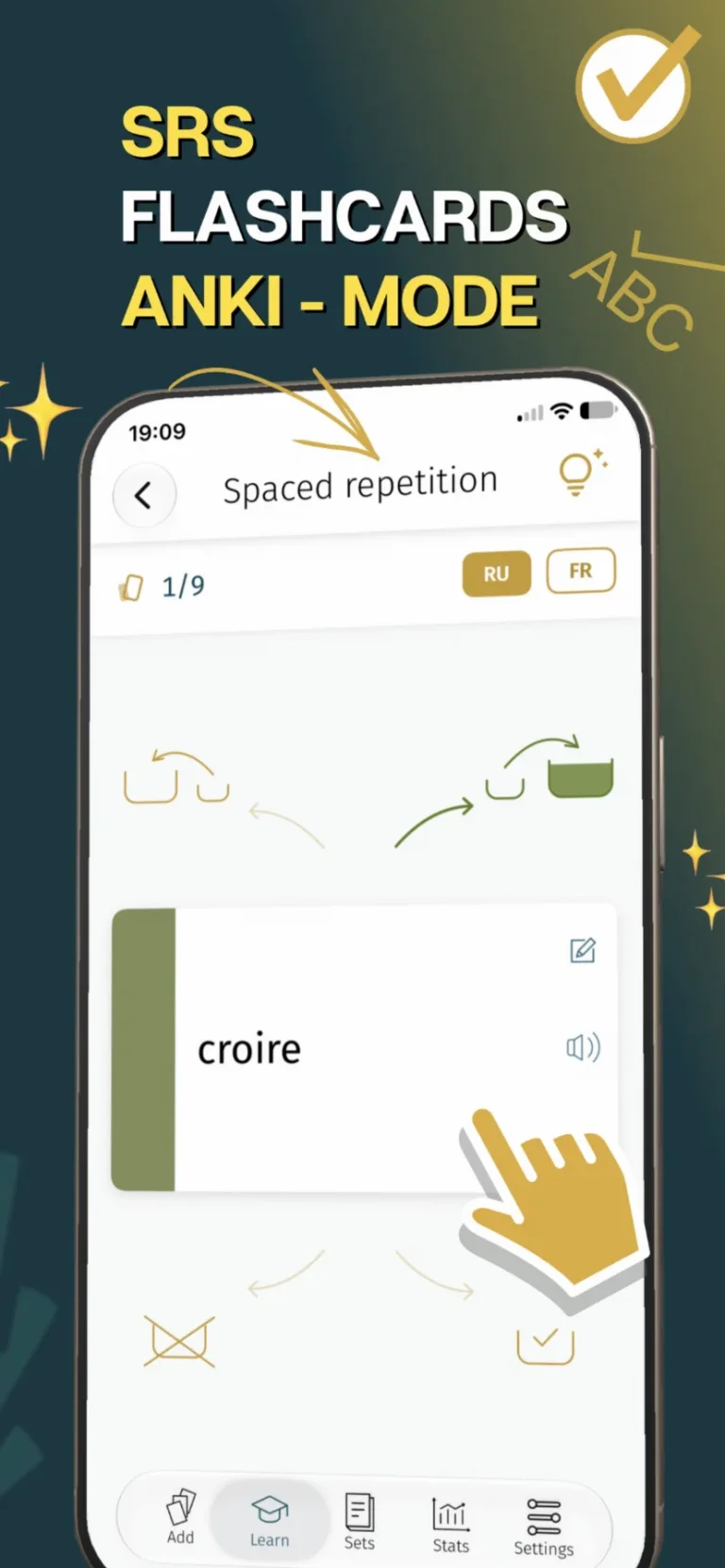
Spaced repetition, AI translation, onboarding A/B tests and subscription trials. We added all four to MemoWord, a language learning app.

Music and video platforms

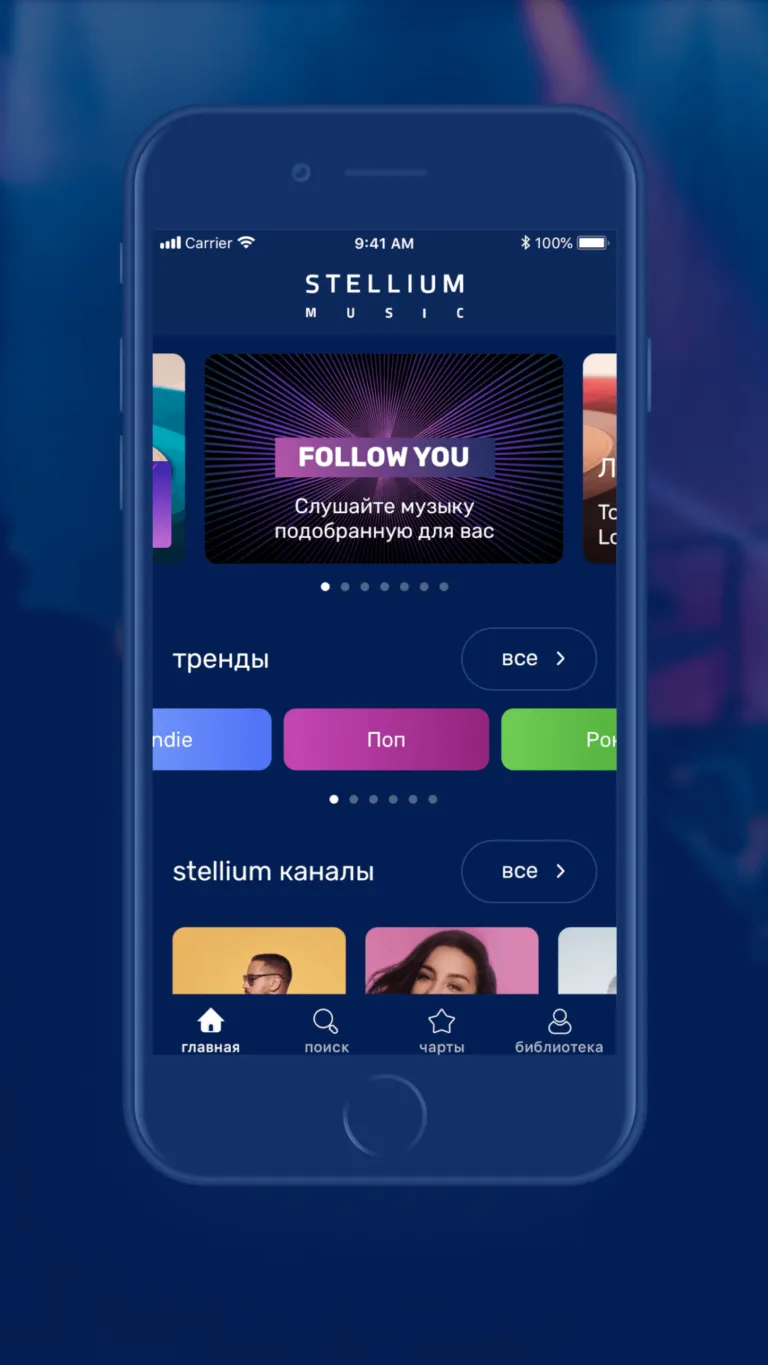
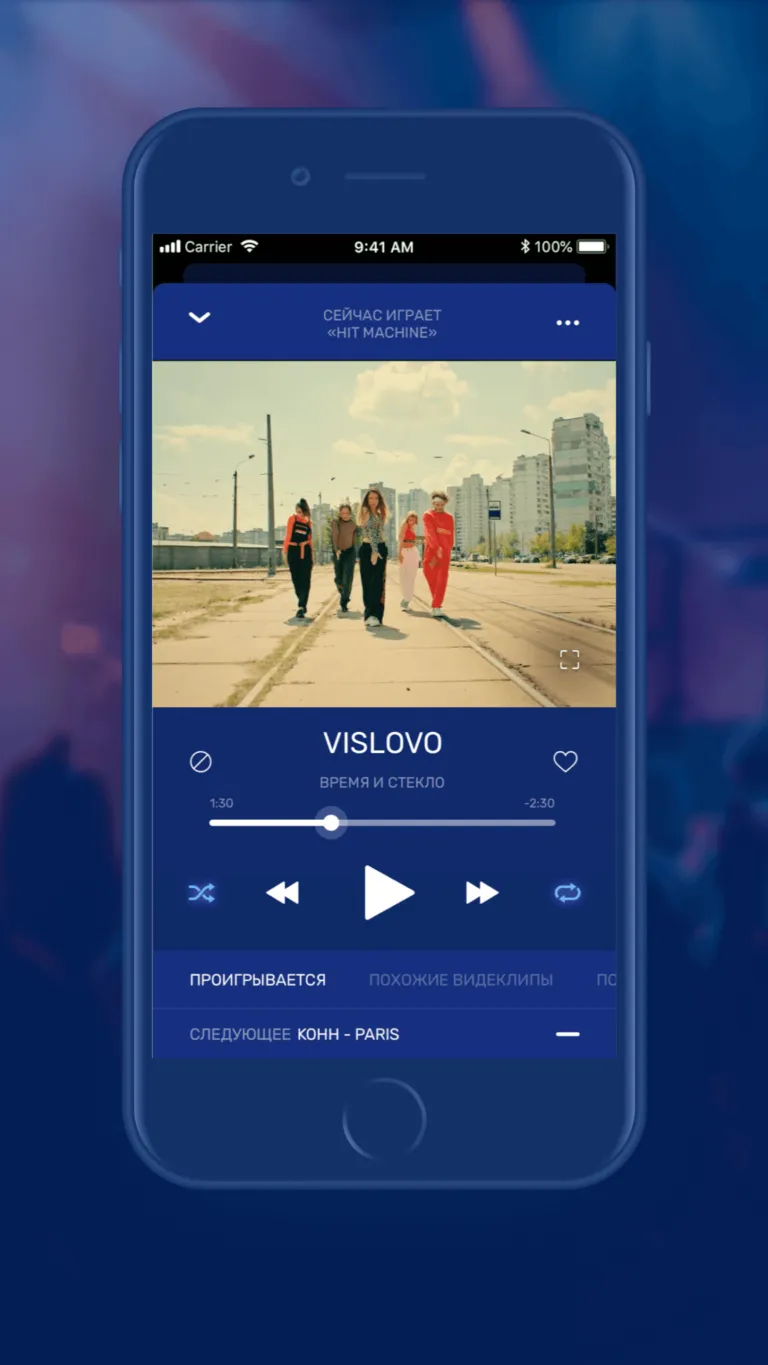
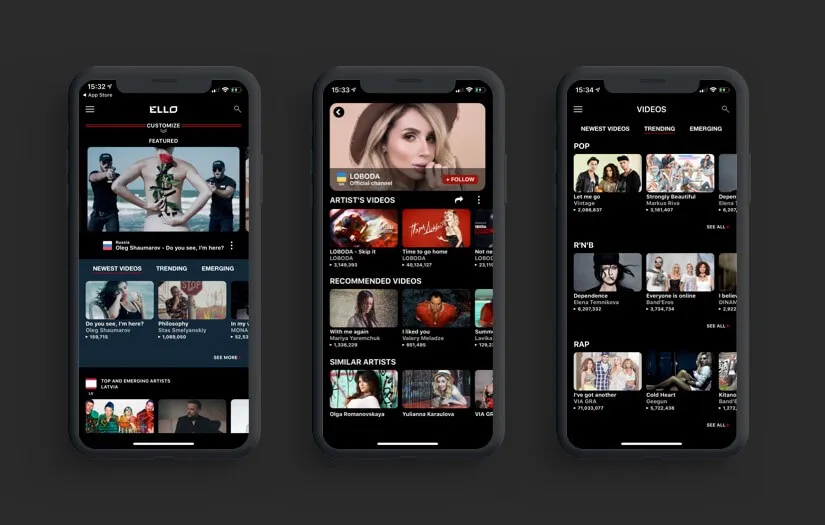
Personal recommendations, editors’ playlists, video ratings, ad tools and publishing tools for content owners, as in Stellium Music and ELLO Music.

Backend, admin and hosting

Backends on Ruby on Rails, .NET or Laravel, an admin panel for your editors, and hosting on AWS with ECS, RDS, S3 and CloudFront.

Abuk: from about 50,000 to almost 600,000 users

Abuk: from about 50,000 to almost 600,000 users

Abuk is an ebook and audiobook service with a website and native iOS and Android apps, sold through the abuk+ subscription and single book purchases. We took it over from a previous contractor in 2018, in poor condition, and have run it since. We rewrote almost all of the iOS app and part of the Android app, and moved infrastructure that was split between Google Cloud and AWS into AWS. Since then users have grown from about 50,000 to almost 600,000, and the number keeps rising. A team of developers, QA, a business analyst and a project manager works on the product continuously.

MemoWord: a new backend while the apps stayed live

MemoWord: a new backend while the apps stayed live

MemoWord is a language learning app that has been with us since 2019. Its backend ran on .NET Framework: about 61,000 lines of C# and 40 controllers. We moved it to .NET 8 on Linux with a byte-compatible API, so the apps people had already installed from the stores kept working without an update. From analysis on 9 June to production on 25 June 2026 took 16 days, with a release to staging first. After the move we went on adding features.

Music and video: recommendations, subscriptions and creator tools

Music and video: recommendations, subscriptions and creator tools

For Stellium we built a music streaming service for listeners, artists and advertisers: personal recommendations, playlists from music editors, personal and family subscriptions, and tools for promoting tracks and managing audio ads. The CEO of Stellium Technology left a review on the case page. ELLO Music is a music video platform on the web, iOS and Android with individual video recommendations, ratings, ad monetisation and publishing tools.

How a project goes

01

Introductory call

You tell us about the product, the audience and how it earns. We tell you what we would look at first.

02

Audit or requirements

For a live app we start with a code audit: one to two weeks, a fixed scope, and a report with risks and a fix-or-rewrite recommendation. For a new app we write the requirements together with you.

03

Plan and estimate

You get the scope, the order of work and the format we suggest, with an estimate in writing.

04

Build and release

We build, test and submit releases through App Store and Google Play review, and roll updates out in stages.

05

Support and growth

The same team keeps the app current with new OS versions and billing deadlines and builds the next features.

What these products run on

iOS

Android

Backend

Infrastructure

How we work together

Fixed scope

A new app or a defined set of features with scope, estimate and timeline agreed in writing before development.

Dedicated team

Developers, QA and where needed a business analyst and a project manager on your product month after month, as on Abuk.

Hourly

Billing fixes and smaller improvements, paid for the hours spent.

Already have an app?

If another team built your app and has left, start with a takeover: access, keys, an audit and the first release. If the app is live and only needs an owner, mobile app support covers it.

Reviews

We treat each client and their project with care.

Frequently asked questions

Can you build an app like Audible or Spotify?

We build products from the same parts: a catalogue, a player, offline downloads, subscriptions and recommendations. We do not sell a ready clone script. The estimate starts from your content, your rights to it and how you plan to earn.

Do you handle subscriptions in both the App Store and Google Play?

Yes. Abuk sells the abuk+ subscription and single books on iOS and Android, with StoreKit, Google Play Billing and receipts checked on the server. We also track the stores' deadlines for billing library updates, because missing one blocks new releases.

Our app gets slower as the catalogue grows. Do we need a rewrite?

Usually not. We start by measuring where the time goes in production. On Abuk the Rails cache lived inside each container and was wiped on every deploy; after we moved the home feed to a shared Redis cache and kept prices out of it, p95 fell from 18.4 s to 2.8 s.

Can you change the backend without breaking apps users already have?

Yes, if the API stays compatible. When we moved MemoWord from .NET Framework to .NET 8, we kept the API byte-compatible and released to staging first, so the apps from the stores kept working without an update.

Can you take over an app another team built?

Yes. We collect access and keys, build the app from source and audit it before we commit to a scope. Abuk came to us from a previous contractor in 2018, in poor condition, and has stayed with us since.

Who owns the code and the store accounts?

You do, from the start. The source code, repositories, servers and the App Store Connect and Google Play Console accounts belong to your company, and we work with the access you grant.

Tell us about your project

Describe the task in a few lines. Within one working day we reply with questions or a first view on scope and cost.

Prefer email or a call?

welcome@revolsource.com
+38 097 662 23 20

Revol Software OÜ, Tallinn, Estonia. Our team is distributed around the world.

Join our team

Send your CV to career@revolsource.com